 Architecture
Tadelakt and the Traditional Materials Behind Tigmi Berber
In short: tadelakt is a hand-polished lime plaster traditionally used in Moroccan hammams for its natural water resistance; at Tigmi Berber it dresses walls and bathrooms alongside stone, cypress wood and bejmat tiling, in keeping with local artisanal know-how.
Tadelakt, a centuries-old plaster
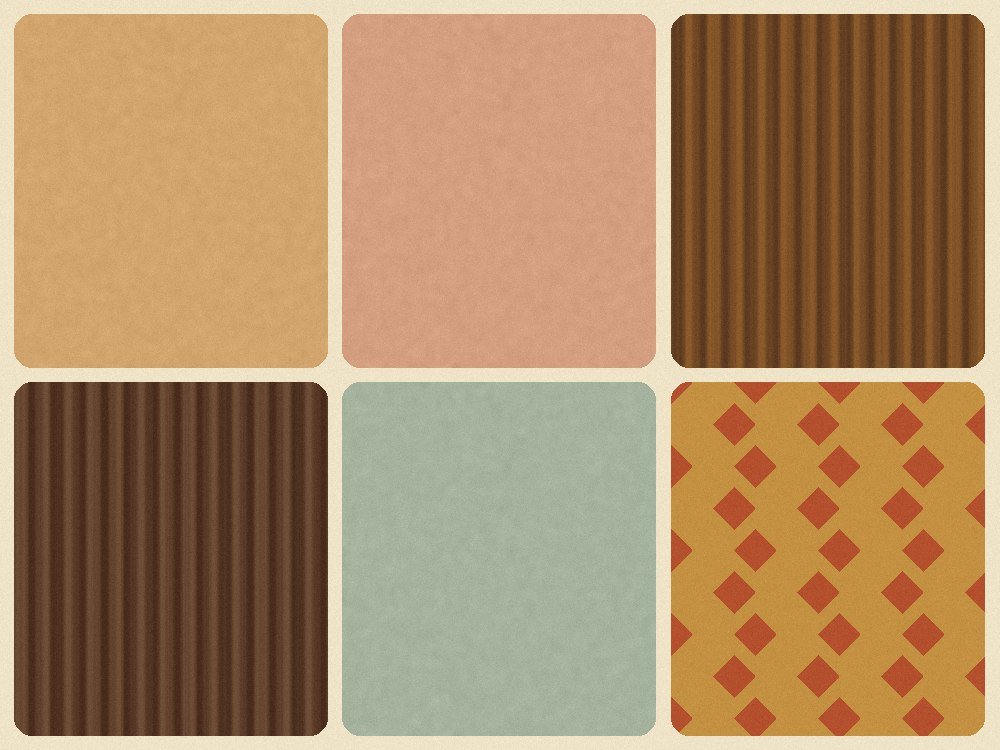
Applied by hand, then polished with a stone and finished with olive-oil soap, tadelakt gives walls a smooth touch and a unique mineral tone that is never quite uniform. This same process, used for centuries in Marrakech's hammams, covers the bathrooms and some bedroom walls at Tigmi Berber.
Cypress, eucalyptus, mahogany and roukou wood
The framing and furniture draw on four local species: cypress, valued for its resistance to coastal humidity, eucalyptus, mahogany for some pieces of furniture, and roukou for more rustic touches. Each species was chosen for how well it suits Essaouira's Atlantic climate.
Bejmat and reed: the finishing touch
On the floor, bejmat — small terracotta tiles laid in a herringbone pattern — brings warmth and texture. Reed, woven into ceilings or screens, filters the light and echoes the traditional dwellings of the Achaouen village surrounding the house.
Architecture designed to last
This choice of natural materials isn't just aesthetic: stone and earth naturally regulate temperature, a real asset against Essaouira's hot summers and windy winters. To see these materials in person, plan your stay at Tigmi Berber.