If you are planning a trip to Morocco, you will see the word everywhere, so it is worth asking clearly: what is a riad? Booking sites use it for everything from a restored 18th-century palace to a modern guesthouse with a pool. Knowing what a riad really is, how it is built and how it differs from a hotel helps you choose a place that fits your trip and avoid surprises on arrival.
What is a riad? The definition
A riad is a traditional Moroccan house organised around an interior courtyard or garden. The rooms are arranged on one or more floors around this central space and open onto it, while the outer walls facing the street are high and mostly windowless. The word comes from the Arabic riyad, plural of rawda, meaning garden. In the strict sense, a riad has a planted courtyard, classically divided into four parts with a fountain or basin in the centre.
This inward-looking design has practical and cultural roots. It protects family privacy, keeps the house cool in summer and quiet in busy cities, and turns the courtyard into a private piece of nature. You can read more about the history of the form on Wikipedia's article on the riad.
Riad, dar, kasbah, hotel: what is the difference?
| Type | What it is | Typical setting | Size | Experience |
|---|---|---|---|---|
| Riad | Courtyard house with a garden or planted patio | Medinas, and today also countryside | Usually 3–15 rooms | Intimate, personal service, local design |
| Dar | Courtyard house without a garden (paved patio) | Medinas | Often small | Similar to a riad, more compact |
| Kasbah | Fortified earthen house or citadel | Atlas valleys, south of Morocco | Varies | Rustic, dramatic architecture |
| Hotel | Purpose-built accommodation | New towns, resorts | Dozens to hundreds of rooms | Standardised, more facilities |
In everyday tourism language, "riad" is often used for any small guesthouse with Moroccan architecture, even when the courtyard is paved (strictly a dar) or when the house is outside a medina. That is not misleading as long as the description and photos are honest.
The architecture of a riad
A riad is defined as much by its materials and craftsmanship as by its plan. Common elements include:
- The courtyard (wast ad-dar): the heart of the house, open to the sky or partially covered, often with plants, citrus trees and a fountain.
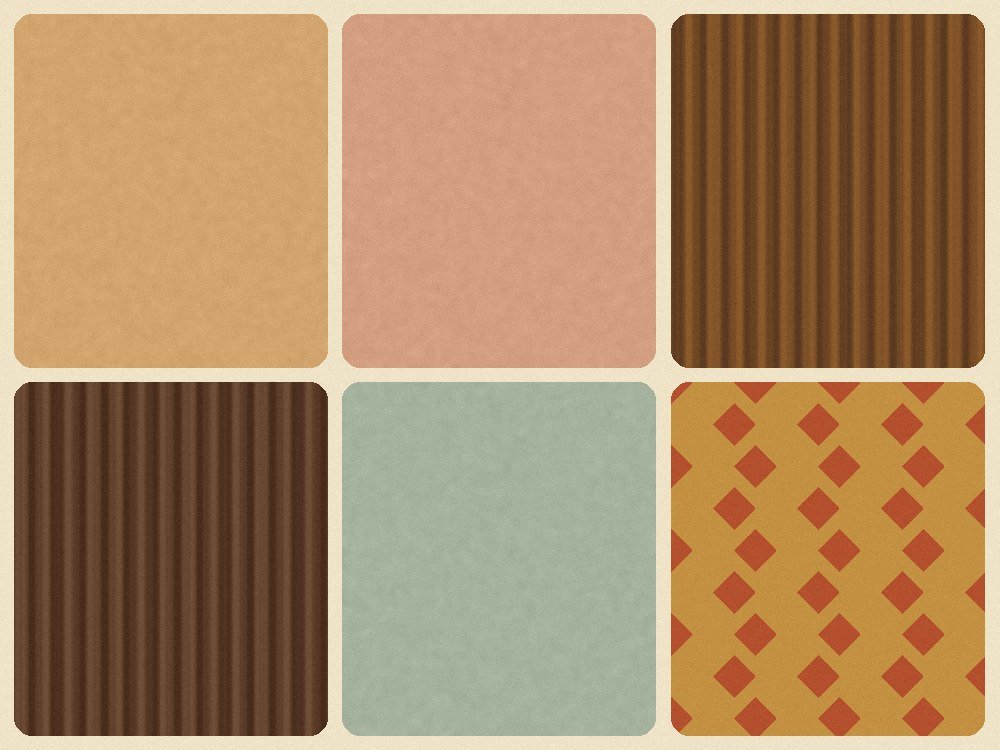
- Tadelakt: a waterproof lime plaster polished with stones and black soap, used for walls, bathrooms and basins.
- Zellige and bejmat: zellige are small glazed tiles cut into geometric mosaics; bejmat are rectangular terracotta tiles, often used on floors and terraces.
- Carved wood and plaster: cedar, cypress or other woods for doors and ceilings; carved plaster (gebs) for decorative friezes.
- The roof terrace: flat roofs used for drying, sleeping on hot nights and, today, for breakfast and sunsets.
Our journal looks closely at these techniques in tadelakt and the traditional materials of Morocco.
What is a contemporary riad?
A contemporary riad keeps the spirit of the traditional house, inward-looking spaces, natural materials, a central courtyard, but adapts it to a modern way of living. It may be built outside the medina, with larger windows towards the landscape, a swimming pool, a garden and private terraces. The aim is to combine the calm and character of a riad with more light and space.
Tigmi Berber is an example of this approach. The project began in 2021 on a plot of around 1,400 m² in Douar Achaouen, near Sidi Kaouki, and was completed at the end of 2025. It was designed around local materials: stone, earth, cypress, eucalyptus, mahogany and roukou wood, reed, tadelakt and bejmat. Its story and architecture are described on our website, and you can see the spaces in the photo gallery.
Why stay in a riad rather than a hotel?
Riads are popular with travellers who want to feel the place they are visiting. Their main advantages are:
- Personal welcome: with only a handful of rooms, hosts know their guests and can give tailored advice.
- Architecture and atmosphere: every room is different, shaped by local craftsmanship.
- Calm: thick walls and inward-facing rooms filter out the noise of the street.
- Breakfast and local food: often homemade bread, honey, amlou and mint tea served on a terrace.
The trade-offs are fewer facilities (no large gym or spa in most cases), fewer staff at night, and, in medina riads, steep stairs and no car access. A countryside riad usually avoids the access problem but requires a short drive into town.
How to choose the right riad: step by step
- Decide on the setting: a medina riad for city life, or a countryside riad for space and nature. Our guide on where to stay in Essaouira compares the options on the Atlantic coast.
- Look at the room, not just the courtyard: check the size, natural light, bed type and whether there is a window to the outside.
- Check the bathroom: private or shared, shower type, hot water. A tadelakt walk-in shower is a classic riad feature.
- Ask about access: can a taxi reach the door? Are there many stairs?
- Clarify what is included: breakfast, transfers, activities, air conditioning or heating.
- Contact the hosts: a quick message is often the best way to judge how helpful they are.
Riad rooms: what to expect
Rooms in a riad are usually named rather than numbered, and each has its own character. At Tigmi Berber, for instance, the Oued Room with its Italian-style tadelakt shower is cosy and intimate, the light-filled Argane Room features mahogany furniture, and the suites offer terraces or lounge corners. Compare all of them on our rooms and suites page.
Where did riads come from?
Courtyard houses have existed around the Mediterranean and the Middle East for millennia, and the Moroccan riad draws on that long tradition as well as on Andalusian influences brought by families who settled in Moroccan cities after leaving the Iberian Peninsula. The garden courtyard, with its four-part layout and central water feature, echoes the Islamic garden ideal of paradise as an enclosed, shaded and watered space. Over the centuries, each region adapted the model to its climate and materials: brick and lime in imperial cities, rammed earth in the south, and stone and whitewash along the Atlantic coast. In rural Amazigh areas, houses were often simpler and built with earth, stone and wood, the same materials that many contemporary riads now rediscover.
Riad etiquette and practical tips
- Courtyards carry sound: keep voices low late at night.
- Tadelakt is durable but avoid harsh products on it; hosts will advise.
- Tell your hosts your arrival time so someone is there to welcome you.
- Ask before inviting outside guests into the house.
Key takeaways
- A riad is a Moroccan house built around an interior garden or courtyard.
- The word comes from the Arabic for garden; a dar has a courtyard without a garden.
- Typical materials include tadelakt, zellige, bejmat, carved wood and plaster.
- Contemporary riads adapt the model with more light, landscape views and pools.
- Choose based on setting, room details, access and what is included.
Curious about staying in a contemporary riad by the Atlantic? Get in touch with our team.